Money is a means of exchange which allows facilitate transactions commercial or between individuals. It can be exchanged for goods or services, has immediate liberating power, and is accepted by all. "Currency is by no means a material and physical fact; it is essentially a social fact; its value is that of its purchasing power and the measure of the confidence placed in it."
In this article, we'll discover the origins of the first currency, who invented it, the history and appearance of currency in every country in the world, and how currency has evolved. From its creation to the present day, let's see which currency is the strongest.
The world's first currency: an alloy of gold and silver
The world's first currency was made in Sardis by the king of Lydia between 610 and 560 BC. They were electrum parts, an alloy of gold and silver, bearing the emblem of one or more lion heads. This innovation facilitated trade by guaranteeing the value of the coins based on their weight in precious metal.
Before the advent of metal coins, wealth was determined by the quantity of goods owned, and trade was mainly conducted through barter. Shells were used as the first forms of currency before metal coins became common in the 7th century BC. Later, metal coins became a round parteasy to transport, marked with a symbol to guarantee its value.
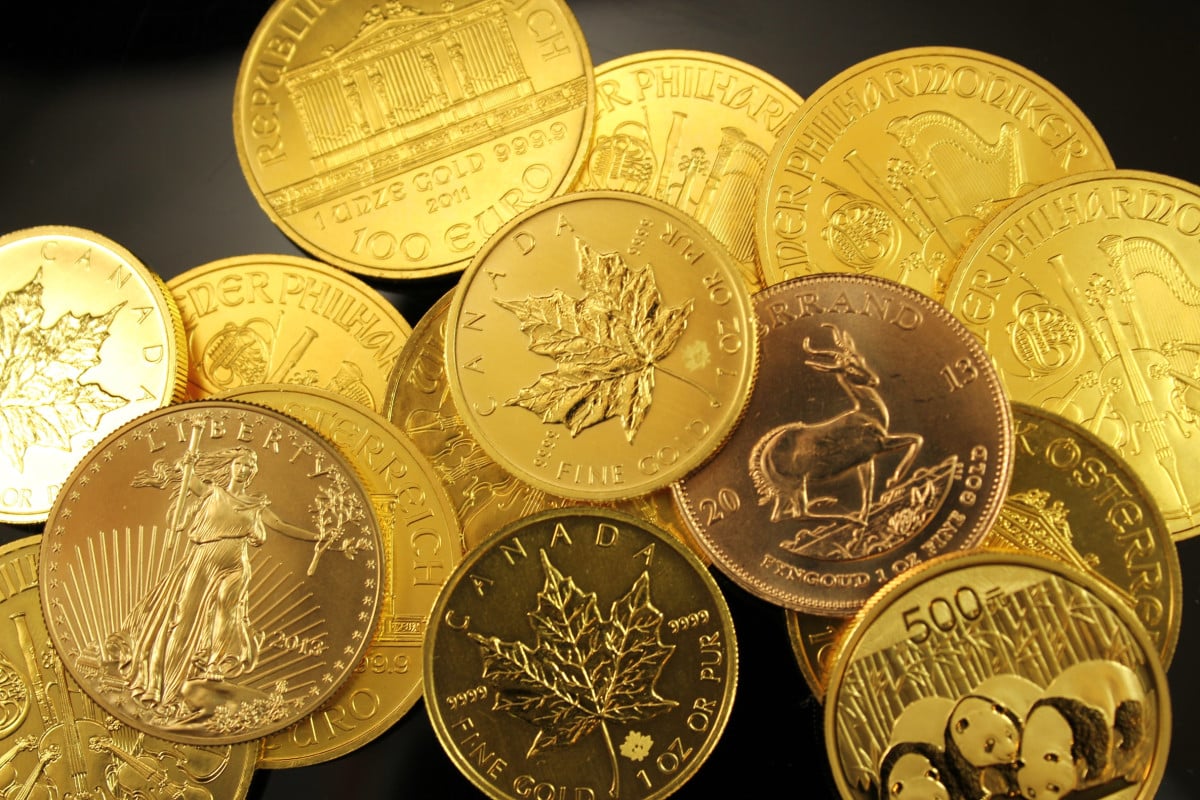
History and appearance of currency for each country worldwide
Coinage is thought to have originated around 650 BC, with the first coins being minted by in precious metal on the initiative of a few kings and tyrants.
- One of the first banknotes or "paper money" Jiaozi appeared in China in Sichuan under the Song dynasty (960-1279), when parts were so heavy that transporting them was a nightmare.
- In 1750, the first currency was created by Empress Maria Theresa of Habsburg.
This is the thaler, a piece of currency that circulated in Europe and then quickly used in the Spanish and English colonies in America and then the rest of the world.
- In 1800, the Banque de France In Paris, meanwhile, paper money appeared in the form of banknotes and assignats.
- The first metal coins were invented by the Greeks of Asia Minor around the 7th century BC.
- In the 3rd century BC, the Romans established the first mint with the aim of extending the use of currency throughout their empire. It was located near the temple of Juno, the goddess of warning, known as "moneta," which is the origin of the Latin word for "money."
- Russian ruble: the ruble is defined as the main currency unit of the Russian Federation. Russia and Belarus. It has become the strongest currency in the world today.
- Rial fromIran : This is the currency used in various Arab countries and Iran. The rial has currently become the weakest and least performing currency in the world in terms of value due to the collapse of its official exchange rate.
The Kuwaiti dinar or KWD is the the world's most powerful currencyis the national currency of Kuwait, a small, wealthy country located between Iraq and Saudi Arabia. This currency was introduced in 1960 and was initially equivalent to one British pound. The Kuwaiti dinar has a high exchange rate compared to other currencies (1 Euro is equivalent to 0,34 Kuwaiti dinar). In addition, discover all the euro banknotes that exist in our other guide.
Who invented currency?
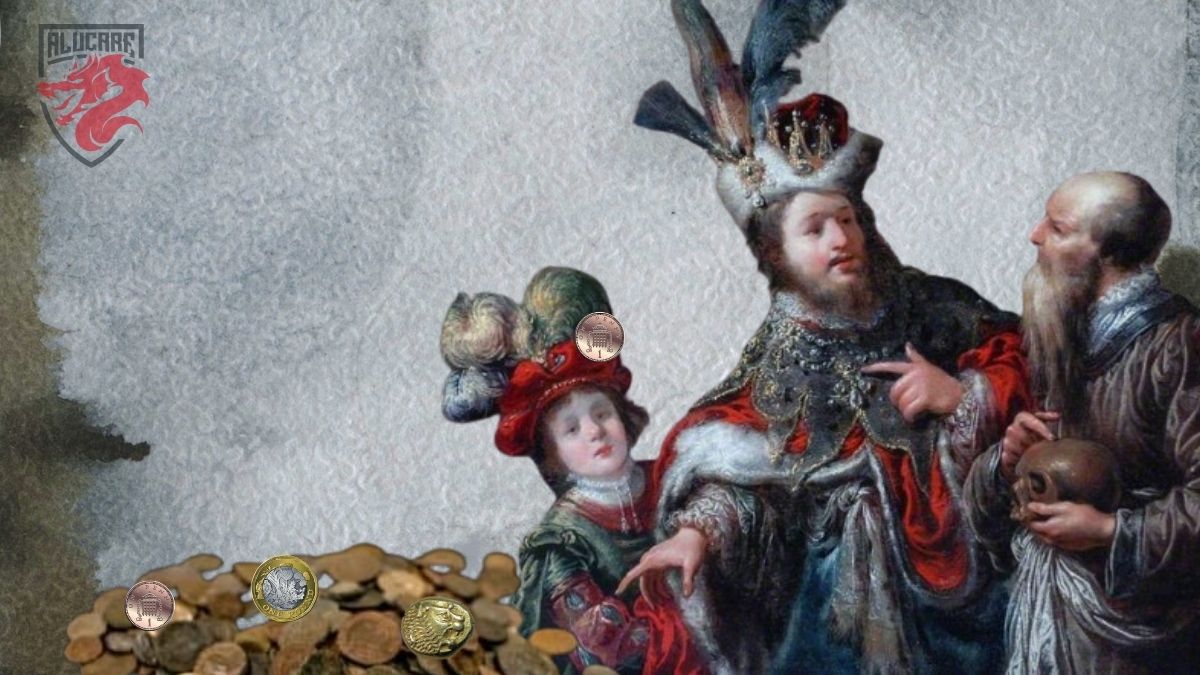
the King of Lydia at Croesus created the first currency around 560 BC, he drew his legendary wealth from the Pactolus River, rolling in gold dust. He spread his currency throughout the Greek world, minting coins bearing the emblem of a lion to show his strength, and amassing real treasures in the sanctuary of Apollo at Delphi. Croesus thus established a monetary system based on bimetallism, mixing gold and silver.
Currency is a medium of exchange, a unit of account, and a store of value. Would you like to know which bank is responsible for printing the most widely used currency in Africa? Find out where it is manufactured. CFA franc in our other guide.









 English