A stalker is a person who stalks, spies on, or harasses someone obsessively online or in real life. In 2023, a survey revealed that 12 % of women and 4 % of men in France had experienced forms of harassment that could be considered stalking.
Whether in the street or on the Internet, this worrying phenomenon affects more and more peopleBut what is a stalker, and how can you tell if you are a victim of stalking, or even if you have become one without realizing it?
In this guide, we explain everything from the definition of a stalker to effective ways of protecting yourself.
What is a stalker?
A stalker is someone who engages in stalkinga form of harassment characterized by an unhealthy obsession with another person.
This behaviour often takes the form of intrusive surveillancerepeated unsolicited contact and threatening or intimidating behavior.
These actions can occur both in real life and on the Internet:
- Follow the victim physically,
- Appear in places where it is frequently found,
- Spying on her on social media (even after bypassed the Facebook blockfor example),
- Send unsolicited messages,
- Etc.
Stalking therefore involves violation of the victim's privacy and can cause fear, anxiety, or a feeling of insecurity.
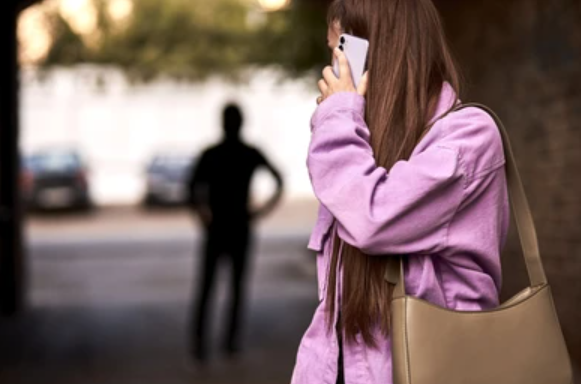
Recall : Victims of stalking can be both men and women; no one is truly safe from obsession.
How do you know if you're a stalker?
This is a very important and sensitive issue. It is important to know that stalking is a toxic and illegal behavior which has serious consequences for victims.
But if you're asking yourself this question, that's already a good sign. It means you have that your attitude could be problematic that you want to change.
Recognizing stalker behavior
So here are a few signs that might indicate you're engaging in stalker behavior:
- Excessive obsession : You feel an unhealthy obsession for one person, to the point of neglecting your other relationships and activities.
- Constant monitoring : You follow someone around, you spy on his or her social media activity or go to places where you know he or she will be.
- Repeated and unsolicited contact : You send messages, emails, or make phone calls persistently, even though you have been asked to stop.
- Implicit or explicit threats : You make threats, damage the victim's property or spread rumours about them.
- Inability to accept rejection : You find it hard to accept the fact that the person doesn't want contact with you and you keep on insisting.
- Sense of entitlement: You feel like you have a right to her/him and that you can control her/his life.
Remark : Stalking is not always intentional. So some people may fall into this behavior without realizing it.
Evaluate your own actions
Wondering if your actions could be considered stalking? Ask yourself the right questions and evaluate your behavior:
- Do you regularly check someone's social media accounts without their consent?
- Do you send messages even when you are asked to stop?
- Do you persistently make calls even though you have been asked to stop?
- Do you try to find out where someone is by looking at their posts, stories or asking their friends?
- Do you frequently visit places that she/he frequents just to run into her or see her?
- Has the person asked you to stop contacting them, but you continue to do so?
- Do you ignore the signs of discomfort or embarrassment she may show at your presence or your messages?
- Do you tend to rationalize your actions by saying it's out of concern or love?
- Do you consider yourself a "protector" when your actions may be perceived as intrusive?
- Do you check someone's online activity?like his connections and his latest interactions, compulsively?
- Do you use monitoring tools such as location-based applications to find out where she is?
If you answer "yes" to several of these questions, it is likely that your actions may be perceived as stalking.
Remember that change is possible! By becoming aware of your actions and seeking help, you can change and avoid hurting others.
How can you protect yourself from a stalker?
Protecting yourself from a stalker can be a difficult and stressful experience, but there are steps you can take to reducing risk and ensuring your safety. Here are some essential steps to help you protect yourself :
Step 1: Preserve evidence
If you are a victim of stalking, we advise you to keep all the evidence: messages, e-mails, calls, photos, videos, etc. This evidence will help you to make the right decision. This evidence will help you useful for filing a complaint with the police.
We also recommend that you record the dates, times, locations and details of each incident. In this way, you'll have an accurate record of events.
Step 2: Limit contact
If you've identified your stalker, block him on social networks and your phone. Also remember to change your privacy settings to make your accounts private and restrict access to your personal information.
Attention : Avoid responding to calls, messages, or attempts to contact you, whether out of curiosity or anger. This may encourage the stalker to continue!
Step 3: Stay vigilant about your online activities
For your safety, avoid sharing your travel plans or upcoming projects on social media. Also, remember to disable geolocation on your photos and videos.
You can also be careful with the information you share on the Internet, even with people you know, and only accept friend requests from people you really know.
Also remember to check your online accounts regularly to detect unauthorized connections or signs of surveillance. You can also use monitoring software such as Mspy or Eyezy to protect you.
Step 4: Tell your friends and family
Don't carry this burden alone - talk to family members, colleagues or trusted friends. Their support will help you cope and they can help you identify suspicious actions.
If the harassment is causing you significant emotional distress, do not hesitate to consult a psychologist or therapist. You can also ask for legal advice to find out about your rights and how to act legally.
Being a victim of stalking is a difficult ordeal. But by informing yourself, surrounding yourself and taking action, you can take control of your lifeRemember, you are not alone!
To protect your devices and those around you, don't hesitate to consult our opinion on mspy !








 English
Thank you very much for his information on Stalking!
Thank you so much for your article and really helpful site!
Now I know everything about stalking!