In today's digital age, where technology blends seamlessly with our passion for nature, plant identification has become more accessible than ever. Just imagine capturing a photo of that mysterious plant that caught your attention during your outdoor walk, and instantly getting its name and characteristics. That's where the power of modern plant identification apps lies.
By the way, if you're a fan of flowers in everyday life and even want to be able to identify them, it might interest you to know that some flowers play a role in a video game like Elden Ring, if we were to mention only the Altus flower, the fire flower, or the famous Flora Mundis, etc.
In short, in this article, we will explore in detail how you can use your cell phone to quickly and easily identify a plant using a simple photograph, allowing you to discover the botanical world. Just choose from the apps listed below.
Flora Incognita
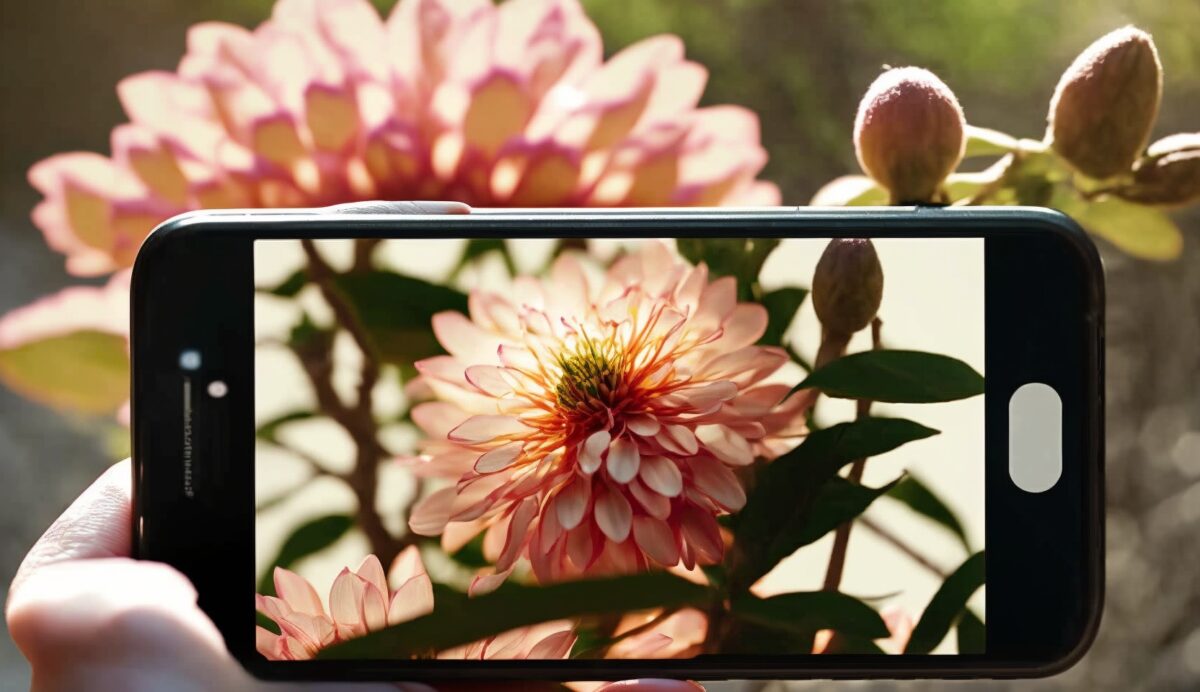
The Flora Incognita app, which uses artificial intelligence, brings together around 5,000 plant species from Europe and provides accurate search results. If identification is unsuccessful, a photo of the leaf or fruit allows for in-depth analysis. A major advantage of this app is that it provides information on the risks associated with certain plants, which is particularly useful for nature lovers who enjoy exploring the forest.
Seek
Seek, an app compatible with smartphones and tablets, allows users to identify plants, flowers, trees, and animal species. Available on the Play Store for Android and on iOS for iPhone, it works by capturing a photo for recognition using its advanced artificial intelligence. Relevant information is then displayed on the screen, offering a solution for discovering the plant and animal world around you.
Sauvages de ma rue
The joint initiative of Tela Botanica and the PACA region, Sauvages de ma rue, guides you in identifying urban plants. The data collected supports scientists studying urban biodiversity and can help communities improve quality of life. The app suggests plants based on your answers to questions, providing not only the scientific name and species, but also photos of the plant in different environments. By contributing to this project, you can install Sauvages de ma rue and participate in the preservation of urban biodiversity.
PictureThis
PictureThis, available on Android and iOS, goes beyond identifying plant species by offering practical advice on how to care for them. This free app uses artificial intelligence to provide accurate results and allows users to create a personalized file to save images of plants and related advice. User-friendly and featuring the Google recommendation stamp, PictureThis is an ideal tool for garden and vegetable patch owners looking to develop their gardening expertise.
Forest keys
The Clés de Forêts plant recognition app, developed by the French National Forestry Office, is available on iOS and Android via the Google Play Store. This app can identify not only plant and animal species, but also trees. Instead of taking photos, Clés de Forêts asks a series of questions to obtain information about plants, including their names and characteristics. A unique feature of the app is its ability to work offline, making it ideal for forest hikes where there may be no internet connection.
PlantNet
PlantNet, a highly popular plant recognition app with millions of downloads, allows you to identify plants based on their flowers, leaves, or fruits using your smartphone camera. After a search, the free PlantNet app offers a selection of results from which you can choose to access information. With a catalog of more than 6,000 species in France and Europe, this app, the result of a scientific project sponsored by the Agropolis Foundation, provides reliable and detailed information on plants once they have been identified.
PlantSnap
To identify flowers, leaves, or trees, the must-have app is Plant'Snap, which uses your smartphone's camera to analyze plants. With 90% reliability, this app makes it easy to identify the plants around you. You can create a personalized space with your favorite plants and share your botanical passion with users from over 200 countries around the world.
NatureID
NatureID, an effective app available in English, allows you to identify thousands of plants, trees, flowers, and animals, whether you are bilingual or not. By analyzing photos taken with your smartphone, the app provides detailed information, including the plant's health status and solutions to any problems. Available for free on Android and iOS, NatureID also offers tips for treating diseased plants.
LeafSnap
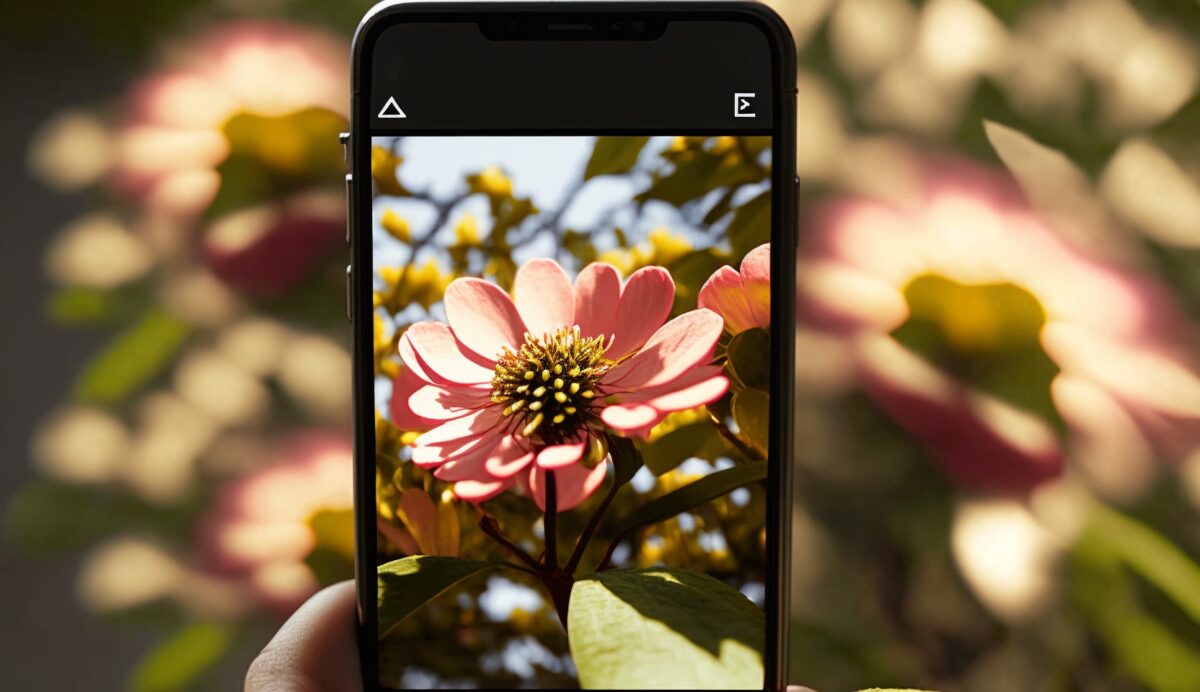
LeafSnap, an English-language app, also offers recognition of 90,164 listed plant and tree species, with detailed information. You can import photos from your library or capture images with the app to get accurate information and advice, including plant care tips.
Smart'Flore
The Smart'Flore app is best used with a Tela Botanica account, a network of botanists in France. Available only on Android via Google Play, the app allows users to design botanical trails to simplify the identification of plant species, including global varieties. Using geolocation, it identifies nearby trails and allows users to create their own routes, forming a community similar to a social network. Based on existing trails, the app provides information on surrounding plants, including details on their morphology, habitat, and uses.
There you have it—you now know about effective apps that can help you identify plants that catch your eye during your walks. Make sure the app of your choice is easily accessible so you can quickly identify flowers or fruits. If you ever have trouble finding it, follow the tutorials in our article on how to return an application to the home screen.








 English