The euro is not losing value in absolute terms: it is falling against the dollar and others currencies.
This exchange rate varies according to three main mechanisms: the interest rate differential between the BCE and the Fed, the economic health of the eurozone, and external shocks such as the energy crisis.
Here's how it works, in practical terms.
The Euro's Depreciation: What's Really Going On?

A currency is always worth something in comparison to another. This relationship is the exchange rate, continuously attached to the foreign exchange market based on a simple principle: the’offer and the request.
When there are a lot of’investors want to buy dollars, demand for the greenback rises, and the euro falls against it. Three major factors drive this movement in the foreign exchange market:
- them interest rate, as established by the BCE and the Fed (European Central Bank and U.S. Federal Reserve); ;
- there economic health from the eurozone, which either reassures or worries the markets; ;
- external impacts, such as a energy crisis or a war.
To put the current situation into perspective, a little history helps. In 2002, the euro was trading at around $0.89. It then rose for several years, reaching a record high above $1.60 the July 15, 2008.
the July 13, 2022, the parity The exchange rate with the dollar was reached for the first time in 20 years, before the euro fell back below the dollar mark. This depreciation was largely driven by the war in Ukraine and the ensuing energy crisis in Europe.
One euro low directly affects your purchasing power. The imports Those billed in dollars cost more, which fuels the’inflation and weighs on businesses and individuals alike. It is this same logic that explains why certain forms of currency are changing, such as the disappearance of the 500-note bill euros.
The euro's depreciation also has a silver lining: the exports European goods become cheaper for foreign buyers. A product manufactured in the eurozone automatically costs less in dollars when the exchange rate falls. This improves the competitiveness for European companies in international markets, even if this gain does not always offset the cost of energy imports.
What are the main causes of the euro's decline?
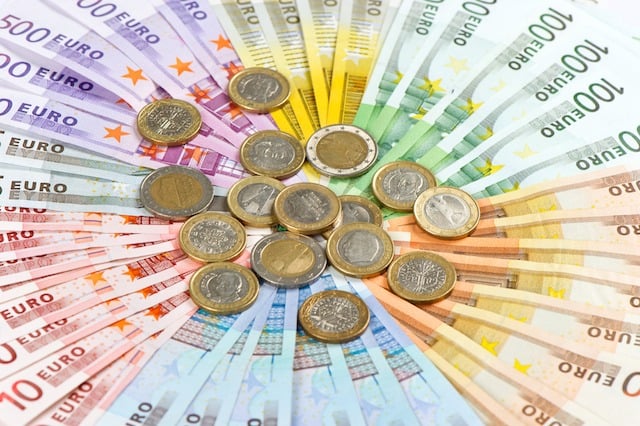
The euro’s depreciation doesn’t just happen out of the blue. It stems from three major factors that are weighing on its value against the dollar and other currencies such as the British pound where the yen :
- the interest rate differential between the BCE and the Fed ;
- there energy dependence Europe and imported inflation; ;
- the risk of recession and a loss of investor confidence.
The interest rate differential between the ECB and the Fed
This is the most direct cause. When a central bank raises its key interest rates, it makes its currency more attractive. Investors then put their capital where the yield is highest.
In 2022, the Fed has implemented a very aggressive tightening of its monetary policy. She has implemented several increases of 75 basis points at successive meetings, marking a much faster pace of tightening than in the eurozone. Demand for dollars surged, and the euro-dollar exchange rate fell as a result.
The BCE, on the other hand, has long lagged behind the rise in its interest rates. This lag of monetary policy explains much of the weakness of the European currency in the foreign exchange market. The reserves in dollars held by central banks around the world further boosted demand for the greenback during this period.
Energy Dependence and Imported Inflation
the oil and the reference gas are quoted in dollars on international markets. When the euro weakens, each barrel therefore costs more in euros, even if the price in dollars remains unchanged.
This energy bill Rising prices are fueling inflation and increasing the cost of living for European households. The burden of the war in Ukraine The gas supply crisis has intensified this pressure on the eurozone economy. The member countries of the’European Union Those most dependent on energy imports were the most vulnerable to this currency depreciation.
The Risk of Recession and the Flight to the Dollar
The third factor is the trust. A currency reflects the perceived economic stability of a group of countries. As soon as the risk of recession As uncertainty rises in Europe, investors are turning to assets considered safer.
Activity Surveys PMI showed a marked slowdown in growth in the eurozone starting in June 2022. This climate of crisis has driven a great deal of capital toward the dollar, which is considered the safe-haven asset par excellence.
Other currencies such as the British pound faced similar pressure against the dollar during this period. The longer the energy crisis lasts, the more pronounced this flight to the greenback becomes.
According Lee Hardman, foreign exchange economist at MUFG, the euro could then settle on a long-term basis around parity, between $0.95 and $1.
A situation that serves as a reminder that the value of a currency—whether it’s a bill or a 10-euro coin, always depends on its exchange rate against other currencies in the foreign exchange market.








 English