the 500-euro bill has not been broadcast since 2019. There European Central Bank (BCE) ceased production because it was not used enough on a daily basis and posed a risk to the integrity of the financial system.
Good news if you own one: it retains its legal value and can be exchanged at any time.
Nicknamed «ticket" Ben Laden »as soon as it is put into traffic in 2002, this post had one formidable feature: its high face value made it an ideal tool for discreetly transporting large sums of species. Private individuals, on the other hand, used it very rarely in their cash payments of everyday life.

What does the discontinuation of the 500-euro bill mean?
From 2013, the «Europe» series has gradually replaced the first-generation banknotes issued in 2002. This new series does not include the a 500-euro cut. There BCE announced the end of production on May 4, 2016, and the broadcast was effectively discontinued on January 26, 2019 in virtually all of the central banks in the eurozone.
In practical terms, this banknote hasn't been discontinued: it's simply no longer being produced. The BCE specifies that he retains its legal tender status and value forever.
You can exchange it at any national central bank in the Eurosystem, with no time limit. In France, it's the Banque de France which handles this in its counters open to the public.
Since the announcement of 2016, the deposits of these cuts at bank teller windows have increased significantly. Account holders have realized that it’s better not to wait to exchange them for other currencies means of payment or other cuts in traffic.
Why was the 500 note discontinued?
The BCE has stopped issuing the 500-euro bill for two main reasons:
- Sa low usage by the general public in the transactions common; ;
- Its role can easily be misused for the money laundering and the funding of the terrorism.
A cut that is almost never used in everyday life
Most Europeans have never had a 500-euro bill in one's hands. It is too valuable for everyday use: no vending machine dispenses it in France, and most merchants refuse to accept it because they cannot give change.
The figures confirm this observation: since its launch traffic, this break represented only about 3 % of the total volume of euro banknotes used in the eurozone. At the same time, the euro has adapted to payment which have changed significantly. As early as 2016, online shopping, and the credit card payment were becoming widespread in Europe, making this banknote even less necessary in the’economy actual.
The decline in the cash The rise of digital payments also sped up the decision. When the cash payments account for an increasingly small share of the transactions, keep in traffic a break of 500 euros no longer had a solid economic justification.
A bill that's just too convenient for dirty money
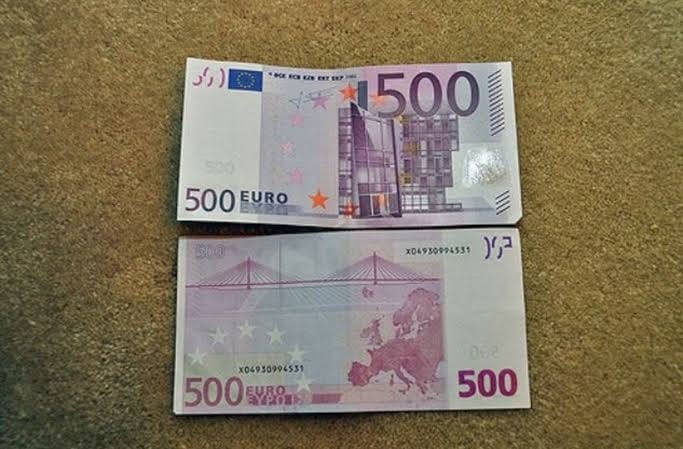
The high value This feature made it the perfect tool for trafficking and money laundering. There BCE had herself nicknamed him the «criminals» favorite.”.
The reason is purely arithmetic. One million euros in banknotes 50 euros weighs nearly 22 kilograms. The same million in 500-euro bills weighs only 2.2 kilograms, which means you can carry a fortune in a simple backpack, effortlessly and without attracting attention. Paying with a 10-euro coin already raises questions sometimes: imagine if there were a a 500-euro cut.
As of the publication of this post, the BCE aims to reduce these illegal practices over the long term. The decision, which was formalized in May 2016 resulted in the end of production 2018, followed by the actual suspension of the broadcast in early 2019.
These tickets nevertheless remain valid : their legal tender is maintained by the European Central Bank and the national central banks of the euro area continue to accept them in exchange for currency current.
Discover also Why Is the Euro Losing Value?.








 English