A ping-pong ball cabossee can be easily repaired with heat. Heat causes the’air inside, slightly softens the plastic, and the ball returns to its initial form in just a few minutes. There are two ways to do this: the’boiling water where the hair dryer.
Warning: If your ball is cracked or punctured, none of these methods will work. Air is escaping, so it will need to be replaced.
If you want to buy some new balls so you can keep playing with your friends:
View a selection of inexpensive ping-pong balls
Diagnosing the Problem with Your Ping-Pong Ball
Before repairing a ping-pong ball, identify the type of problem. Not all damaged balls are in the same condition, and they aren't all repaired the same way.
- Ball cabossée : There is a dent, but the ball is intact. This is the most common scenario. Heat alone is enough to repair it.
- Cracked or punctured ball : The air is leaking out. No heating method will help. You have to replace the ball.
- Uneven bounce : The ball is no longer perfectly round. Try heating it first. If the problem persists, the ball is too damaged to continue playing with.
- A ball that has yellowed or is heavily scratched : The surface is worn. The quality of play is compromised, and the ball's trajectory becomes unpredictable. Replacement is necessary.
Do you have a cabossée ball? Here's how to repair it at home, without any special tools.
What You Need to Repair a Ping-Pong Ball
The equipment needed is minimal. Depending on the method you choose, prepare one or the other:
- For the water method: a small saucepan, from the’water, a tongs silicone or a spoon, a handkerchief or absorbent material.
- For the hair dryer method: one hair dryer, nothing else.
- For the lighter method: one lighter, caution, and a stable surface.
No need for a team or specialized tools. Everything can be done at home in just a few minutes.
How to Repair a Ping-Pong Ball: Step by Step
Method 1: Boiling Water
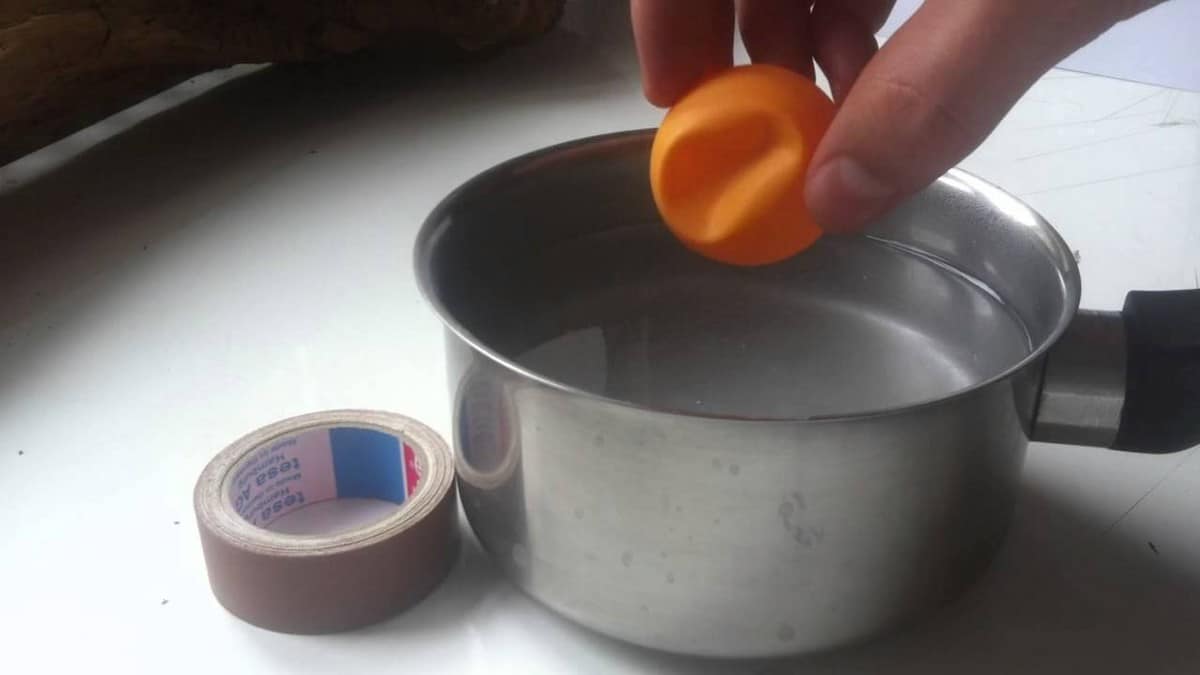
This is the most reliable method for repairing a cabossée ping-pong ball. The’boiling water heats the air trapped inside the ball. This air expands and pushes the indentation outward. The heat also slightly softens the plastic, which helps the ball return to its original shape.
Here's how it works:
- Heat some’water in a small saucepan until it comes to a boil.
- Shoot the ball into the’hot water. Use a tongs a silicone spoon or a regular spoon to dip it in and avoid burning your fingers.
- Wait for a twenty seconds or so. Prolonged exposure may damage the plastic.
- Gently remove the ball using a tongs or a spoon.
- Dry it with a handkerchief or an absorbent cloth.
- Let it cool and rest 10 minutes, then goes back to playing.
One important detail: don't lay the ball flat to let it cool. It might warp and lose its rounded shape. Instead, place it in a bottle cap or a hollow container so it keeps its round shape while it cools.
Note: the old ones celluloid balls respond better to heat than modern plastic balls ABS. These have become the norm since 2015.
This method works for both types, but the results are sometimes less effective on newer models. If the ball is still stuck after being immersed in boiling water, try using a hair dryer or just switch to a new ball.
Method 2: The Hair Dryer
Don't feel like boiling water? The hair dryer has exactly the same effect. The heat expands the air inside the ball and helps the plastic return to its original shape.
- Plug in your hair dryer and set it to the maximum power. Wait a few seconds for it to heat up.
- Hold the ball with your fingertips, positioning it so that the part cabossée facing the flow of warm air.
- Keep a a distance of 10 to 15 centimeters to avoid damaging the plastic. Use small circular motions until the ball regains its shape.
On recent plastic models ABS, which are stiffer, so be patient. Avoid heating them too much all at once: it’s better to make several passes from a reasonable distance than to overheat them directly.
This method is especially handy for kids who are playing at home and want to fix their ball quickly, without the risk of getting burned by boiling water.
Method 3: The Lighter
the lighter This is a third way to repair a ping-pong ball. It requires a bit more care, but it works well when you don't have a saucepan or a hair dryer on hand.
- Hold the ball at a distance of about 5 to 8 centimeters from the lighter's flame.
- Rotate the ball slowly to heat the cabossée area evenly.
- As soon as the plastic starts to soften slightly, remove the ball and let it cool in the open air.
Be careful not to hold the flame too close: the plastic can burn or turn black very quickly. This method requires caution and is not recommended for children.
If you have a choice, boiling water is still the safest and most reliable way to repair your ping-pong ball.
Why does heat make a ping-pong ball bounce better?
Ping-pong balls are hollow spheres filled with air under slight pressure. When a ball is struck, the plastic yields locally and forms a dent. The air inside remains compressed in a distorted shape.
Heat affects two elements at the same time:
- She expands the air Trapped inside the ball: this air tries to take up more space and pushes against the plastic from the inside.
- She temporarily softens the plastic : The material becomes slightly more flexible and returns more easily to its original shape under air pressure.
That is why this method works only on CAboss balls, and not on cracked balls, which can no longer hold air.
The quality of the result also depends on the type of plastic: the celluloid balls are more flexible and respond better to heat. The balls made of ABS are stiffer and sometimes not repaired as well using this method.
Tips for Avoiding Damage to Your Ping-Pong Balls
Fixing a ball is good. Preventing it from getting damaged is better. Here are a few tips to keep your balls in good condition longer:
- Put your balls away in a small bag or a rigid tube. A ball crumpled up in a backpack becomes cabossée within a few hours.
- Avoid playing on very hard surfaces (concrete, tile): the impacts are harder and wear out the balls faster.
- Don't leave your balls in the sun or in a car during the summer: prolonged exposure to heat will irreversibly warp the plastic.
- Use balls that are appropriate for your skill level. Lower-quality balls wear out very quickly.
These tips will help you play longer with the same balls and avoid having to replace them too often.
When should you replace your ping-pong ball?
Repairing a CAbossee ball with heat works in most cases. However, in some situations, you’ll need to switch to a new ball:
- The ball is cracked or punctured : The air is escaping; there's no way to save it.
- The ball stays warped after being immersed in boiling water and dried with a hair dryer : The plastic is too damaged to be repaired.
- the The bounce is uneven Even after repair: the shape is no longer perfectly spherical.
- The ball is yellowed or heavily scratched : The surface is worn, which affects the trajectory in unpredictable ways.
In these cases, it's best to restock. A pack of ping-pong balls is inexpensive and will let you keep playing with your friends under good conditions. The quality of the balls really affects the game, even when playing at home.








 English