There are 6 major types of manga, classified by target audience : kodomo, shōnen, shōjo, seinen, josei, and seijin. Understanding these categories is the key to choosing the right titles based on your age and tastes, and avoiding content that isn't right for you.
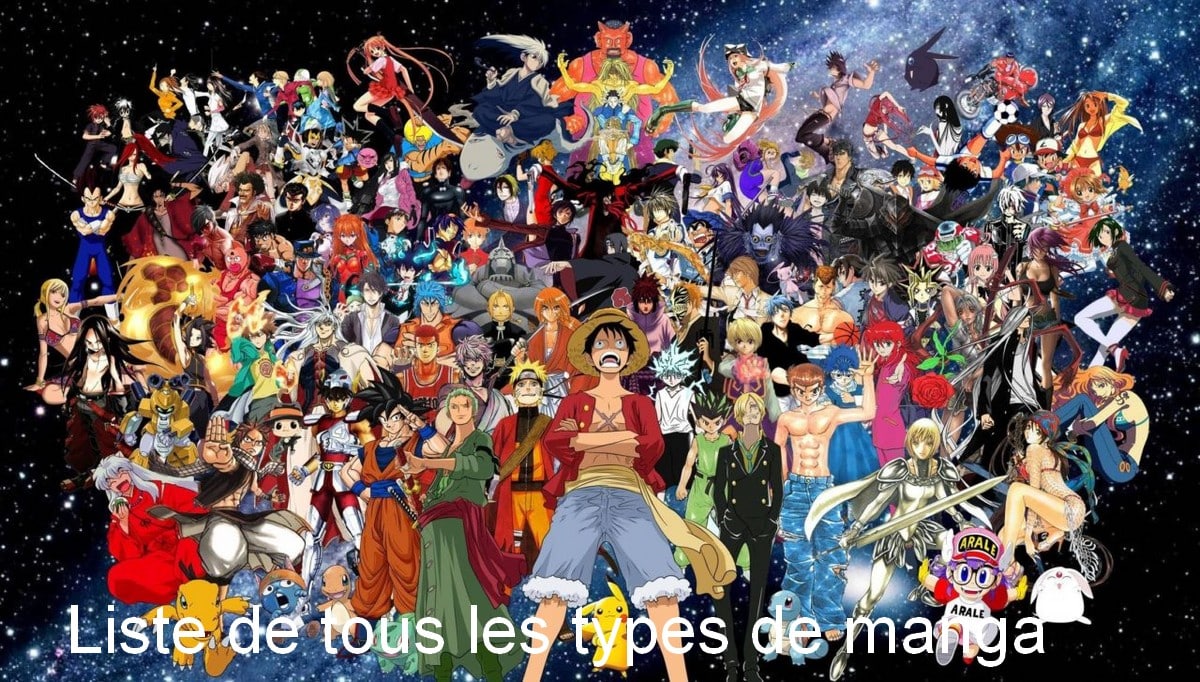
What is a manga?
A manga is a comic book of Japanese origin that is read from right to left. The term comes from Japan and today refers to an art form in its own right that has been exported around the world.
In Japan, each manga is classified according to its target audience: this is known as the demographic group. This classification determines the style, themes, and tone of the work.
In France, manga accounts for a huge share of the book market. In 2022, according to the GfK Institute, 1 out of every 7 books purchased was a manga, representing up to 57 % of the comic book market. The manga culture is therefore firmly rooted in French reading habits.
What are the types of manga?
Japanese manga comes in several genres and demographic categories, each targeting a specific audience.
In addition to the six major genres, there are also thematic subgenres (romance, adventure, fantasy, science fiction) and a genre of erotic manga. Here is the full lap of each type of manga, along with their characteristics and examples of titles.
The kodomo
Kodomo manga is aimed at children, generally up to age 12. You won’t find any murder scenes in it. The stories follow children or animals on simple adventures, with a moral message woven into the plot. It’s the ideal type of manga to introduce children to reading. younger.
The Kodomo art style is colorful and expressive, designed to capture the attention of young children. The main characters are often children or endearing creatures.
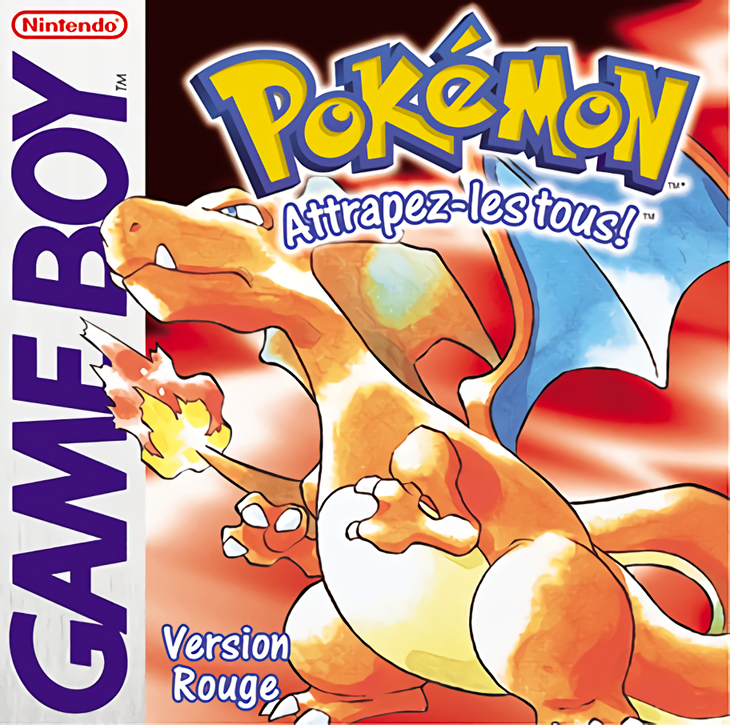
Some of the iconic titles in this genre include: Pokémon, Doraemon and Hamtaro. These series are available in both manga and anime formats, and remain classics in both Japan and France.
The shōnen
Shōnen is the most popular type of manga in the world. This genre is primarily aimed at young boys aged 12 to 18, although its actual audience is much broader today. The adults, girls and women also read a lot of shōnen.
Shōnen focuses on battles, friendship, and pushing one's limits. The main character is often an underestimated hero who, through hard training, grows in power and saves his loved ones. This quest for growth is at the heart of nearly all shōnen manga.
Among the most famous shōnen manga in the world are: Dragon Ball, One Piece, Naruto, My Hero Academia and Demon Slayer. These series all follow the same formula: a determined hero, epic battles, and strong friendships.
Shōnen is mainly found in magazines such as Weekly Shōnen Jump, which has been publishing in Japan since 1968 and remains the benchmark in its genre. Dragon Ball**, Naruto and One Piece have all been published there.
The shoujo
the shōjo focuses on feelings and relationships, whether they involve friendship or romance. This genre of manga is primarily aimed at young girls aged Ages 12 to 18. The art style is polished, featuring characters with expressive eyes and romantic settings.
Most of the time, the story takes place in a school setting. A girl and a boy grow closer, argue, and then make up. Emotions play a central role, much more so than action or fights. Shōjo also explores themes such as self-confidence and identity formation among teenagers.
The best-known examples of shōjo manga : Sailor Moon (with its magical girl characters), Fruits Basket and Card Captor Sakura. These three titles have left a lasting impression on generations of readers in Japan and around the world. If you want to explore further, you can also find manga shojo scans online.
The Seine
Seinen is a manga genre aimed at an older male audience, generally Ages 18 and up. The tone is more mature than that of shōnen; supernatural powers are rare, and the world is often dark and realistic.
Seinen stories explore deeper themes than shōnen: psychology, violence, war, politics, and social criticism. The characters have nuanced motivations, a far cry from the black-and-white heroes of shōnen. The art style is often more detailed and somber.
Among the cult-favorite seinen manga are Berserk, Akira, Monster and Vinland Saga. These works are considered masterpieces of Japanese culture and have had a major influence on comics worldwide.
The main difference between shōnen and seinen lies in the depth of the topics covered. Seinen is aimed at readers who want more nuanced stories, without necessarily focusing on heroic adventures.
the josei
Josei is the female counterpart to seinen. This genre is aimed at young women and adult women, generally 18 and older. Like shōjo, it deals with love and romantic relationships, but in a more mature context.
The focus often shifts to the professional world and the daily lives of adults. The characters and the situations are much more realistic than in shōjo manga. We see women juggling their love lives, careers, and sense of self.
Nana and Paradise Kiss (both signed Ai Yazawa) are good examples of this josei genre. These series feature women who build their lives through intense and realistic relationships.
The key difference between shōjo and josei : Shōjo speaks to teenagers through the lens of first love, while josei explores adult relationships—with all their doubts, breakups, and compromises.
seijin
"Seijin" refers to manga intended for adults, primarily a male audience. This term does not necessarily imply erotic content: a adult manga It can also address serious topics such as politics, police investigations, or social issues.
It may contain explicit scenes, sexual, or violent, but this is not always the case. It is primarily a category intended for adult audiences, regardless of the subject matter. Seijin differs from seinen in that it may contain a higher level of explicit content.
Thematic Subgenres of Manga
Beyond demographic categories, Japanese manga are also divided into thematic genres. These subgenres can be found in several demographic categories at the same time. A single theme can be explored in shōnen, seinen, or josei versions.
Isekai
Isekai is one of the most popular subgenres in recent years. The main character is transported to another world, often a fantasy or video game universe.
The Quest for survival and progression is central to it. Songs like Sword Art Online Where Re:Zero These are some well-known examples.
Slice of Life
The "slice of life" genre depicts the daily lives of characters ordinary. No supernatural powers, no battles: just stories rooted in reality.
This subgenre is very prevalent in the josei and the seinen. Yotsuba! This is a prime example.
The Magical Girl
The magical girl (or "magical girl" in Japanese: mahō shōjo) is a subgenre closely related to shōjo. Young girls acquire magical powers to fight evil. Sailor Moon and Card Captor Sakura are the definitive examples of the magical girl genre. These magical girl characters have become icons of Japanese culture around the world.
The mecha
Mecha features giant robots piloted by human characters. This subgenre originated in Japan in the 1970 with songs like Gundam.
He often combines science fiction, action, and reflections on war. Neon Genesis Evangelion is the most famous example of its kind.
Sports
Sports manga follow a protagonist who strives to become the best in their sport. The quest for progress and friendship are the driving forces behind these stories. Haikyuu!! (volleyball) and Slam Dunk (basketball) are two very popular examples among teenagers and young adults.
Nekketsu
Nekketsu is a subgenre of shōnen that emphasizes passion, inner fire, and the determination never to give up.
The hero is often there impulsive but brave. Dragon Ball of Akira Toriyama and Naruto are the best-known examples of this type of manga.
Erotic manga
There is also a genre of manga featuring erotic or sexually explicit content. These genres are intended for an audience adult and they, too, vary depending on the target audience.
yaoi and yuri
Yaoi tells stories of love between men. Contrary to popular belief, this genre is primarily aimed at a female audience and originated from shōjo manga in the 1970. Relationships between male characters are at the heart of these stories, often with a highly developed romantic element.
Yuri, on the other hand, depicts romantic relationships between women and appeals to a mixed readership. Both genres exist in versions that are more or less explicit depending on the work. Yuri can be found in both manga for teenagers and works intended for adults.
Redisu or Redikomi
Redisu (or redikomi) is a manga for adults aimed at a female audience. It is often confused with josei, as the themes are similar.
The real difference lies in character explicit sexual scenes, which are much more explicit in redisu. Redisu also deals with the romantic and professional lives of adult women, but without the censorship found in josei.
Ecchi
Ecchi is a genre that humorous tone and risqué. It relies on suggestion, never on explicit sexual scenes, unlike hentai.
Awkward situations and puns add some spice to the story. Some well-known ecchi manga include: To Love Ru and High School DxD, both of which also fall under the harem genre.
Hentai
Hentai is a pornographic manga intended for adult audiences. The artwork and dialogue explicitly depict sexual situations.
This is one of the categories the best-known Japanese manga outside of Japan, which is often mistakenly conflated with all erotic manga.
What kind of manga should you choose based on your age and tastes?
Choosing the right type of manga depends first and foremost on your age and what you're looking for in a book. Here's a summary table to help you quickly find your way.
| Category | Target audience | Main Topics | Examples of titles |
|---|---|---|---|
| Kodomo | Children up to age 12 | Simple Adventures, Animals, Friendship | Pokémon, Doraemon |
| Shōnen | Young boys, ages 12 and 18 | Battles, friendship, the quest for power | Dragon Ball, Naruto, One Piece |
| Shōjo | Young girls, ages 12 and 18 | Love, friendship, emotions, school | Sailor Moon, Fruits Basket |
| Seinen | Adult men, ages 18 and older | Psychology, Violence, Politics | Berserk, Akira, Monster |
| Josei | Young women, age 18 and older | Adult Relationships, Professional Life | Nana, Paradise Kiss |
| Seijin | Adults (male audience) | Serious topics; may contain explicit content | Varies by security |
If you like action and fights, shōnen is for you. If you prefer stories about relationships and romance, check out shōjo or josei, depending on your age.
For darker, more realistic stories, the seinen genre offers examples the most distinctive aspects of Japanese culture.
Why is it necessary to know the types of manga?
Knowing the different genres of manga helps you choose what to read based on your tastes and age. If you're a parent, it's even more useful : Knowing what genre your child reads allows you to better guide them—toward a shōnen title rather than a seinen title intended for adults, for example.
Manga plays a major role in French popular culture. In 2022, according to the GfK Institute, 1 out of every 7 books purchased was a manga, accounting for as much as 57 % on the market from the comic book.
Whether you're a fan of shōnen, shōjo, or seinen, each manga genre offers a unique world. If you're looking for other reading formats, be sure to check out the webtoon, which share many of these same genres.








 English