On Windows 10, you can enlarge the taskbar with just a few clicks. On Windows 11, it's a bit more technical: you have to go through the’registry editor to change the size.
Customizing the taskbar is useful for users who want to adjust the appearance and icon size on their screen. Both methods are described in detail below.
Explanatory video in French by Alucare, ideal complement to the page. View video (you can use YouTube's automatic translation)

Enlarge the taskbar on Windows 10
On Windows 10, you can resize the taskbar using the mouse, without changing any registry settings. Just unlock it, drag its edge, and then lock it again. Here are the steps:
- Make a right click on the taskbar at the bottom of your screen.
- In the menu, click on Lock all taskbars to uncheck the box and unlock the bar.
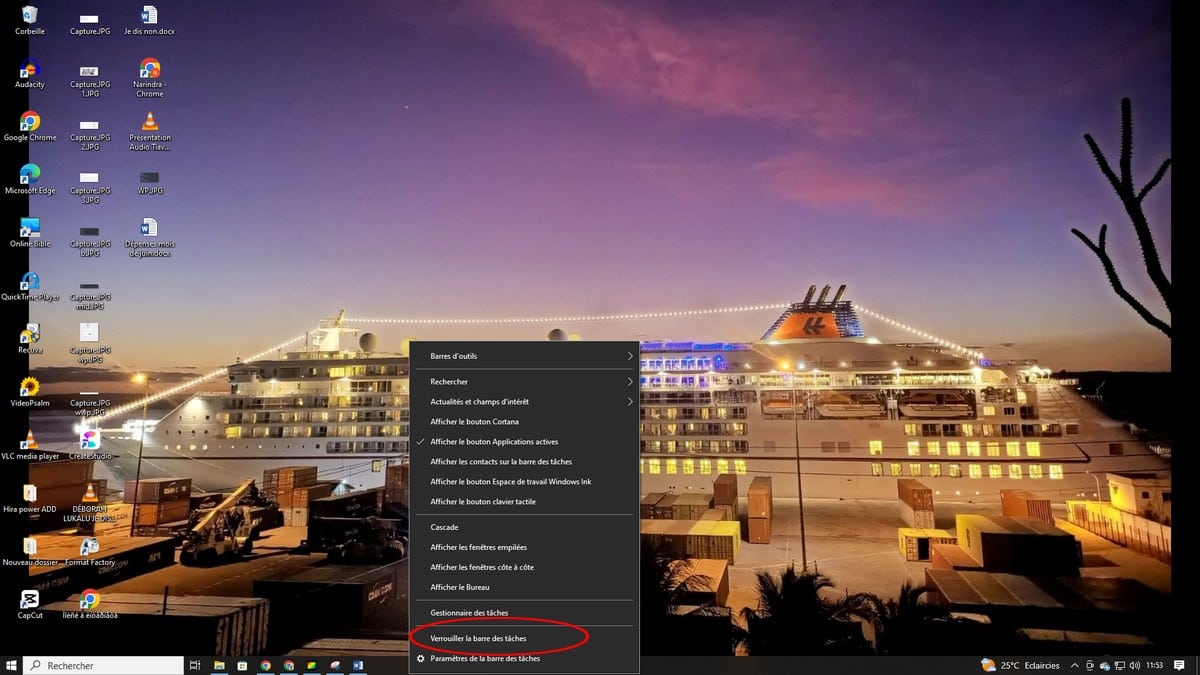
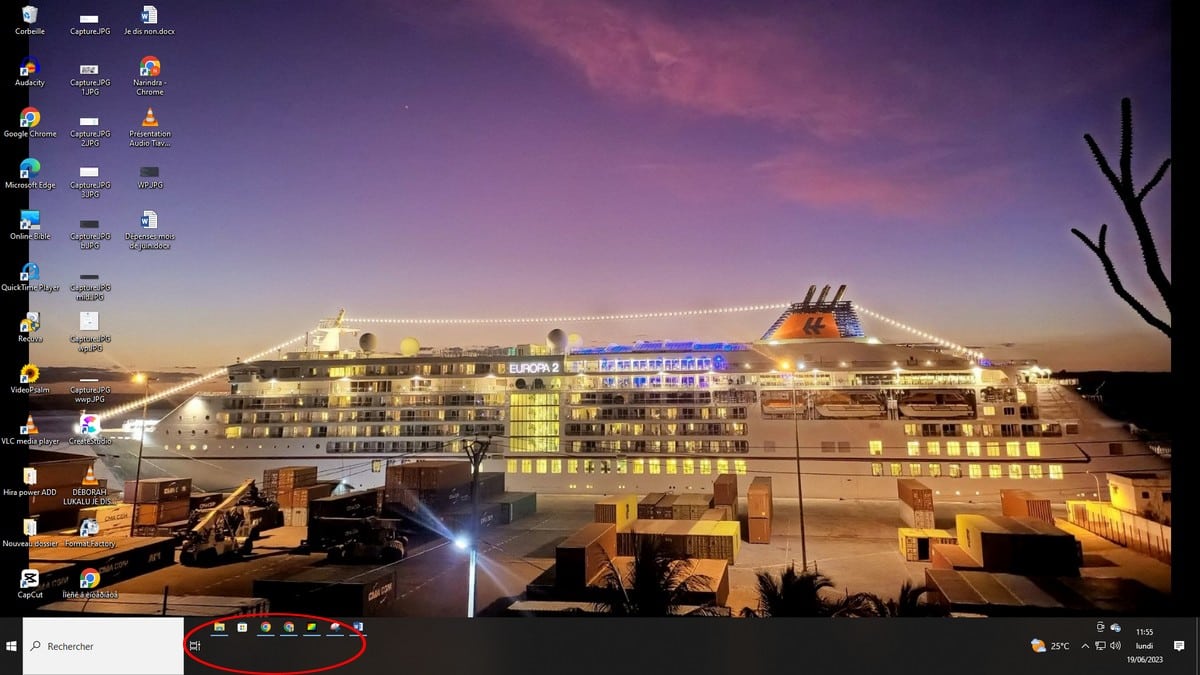
- Place the cursor on the top edge from the bar, then click and swipe up to the desired height.
- Release the mouse button once you've reached the desired size.
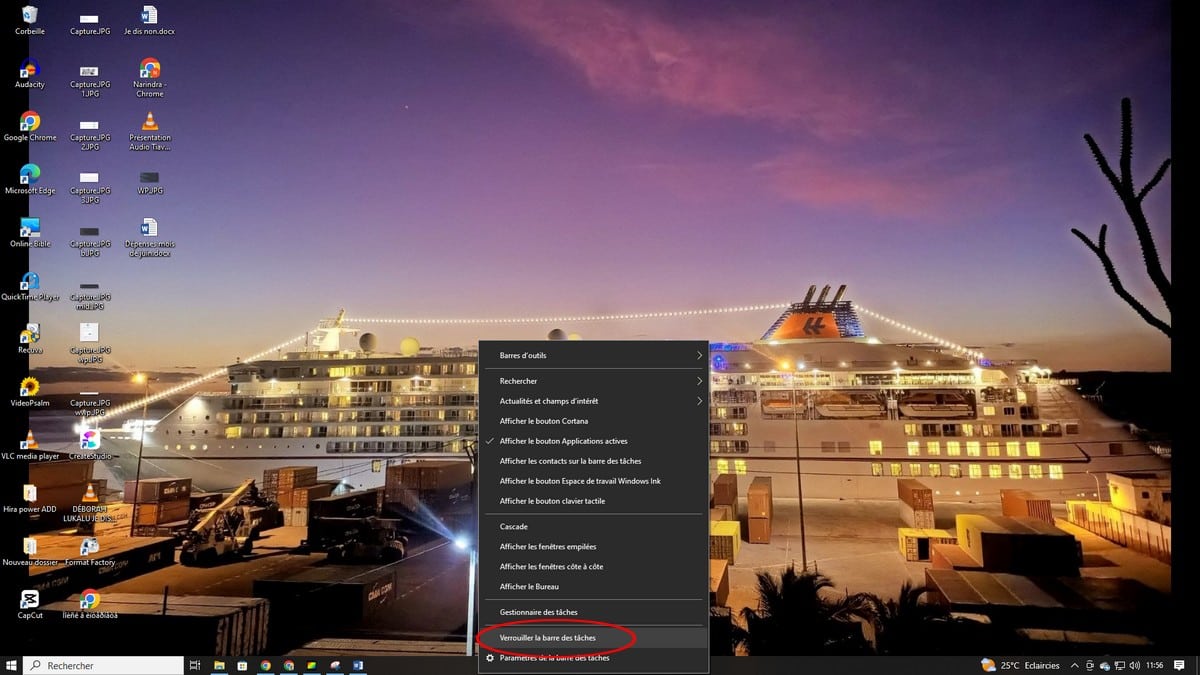
- Try again right click and re-aim Lock all taskbars to lock in the new size and prevent it from being moved by mistake.
Your expanded toolbar can now hold more’icons, which is especially useful if you pin a lot of apps or if you want to make your screen easier to read on a daily basis.
Enlarge the taskbar on Windows 11
On Windows 11, it is not possible to resize the taskbar with the mouse. The built-in customization settings do not offer an option to change the size directly. The only reliable method is to use the’registry editor (Regedit) and to create a DWORD value dedicated.
Change the size using the Registry Editor
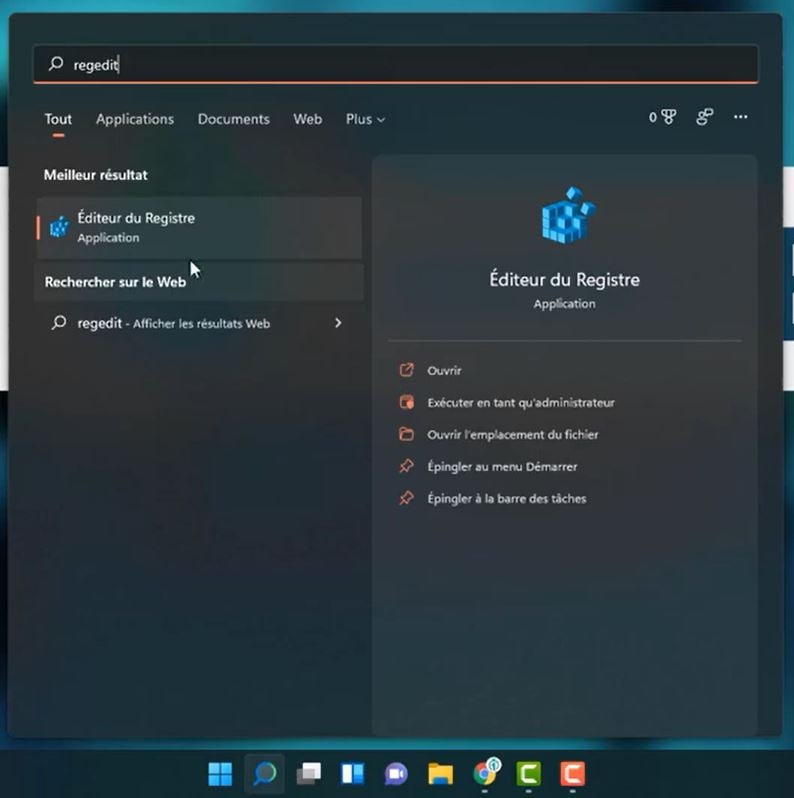
- Tape Regedit in the search bar Windows, then open the’registry editor.
- Go to Current User → Software → Microsoft → Windows → Current Version → Explorer → Advanced or copy the link directly: HKEY_CURRENT_USER\Software\Microsoft\Windows\CurrentVersion\Explorer\Advanced, then confirm with Entrance.
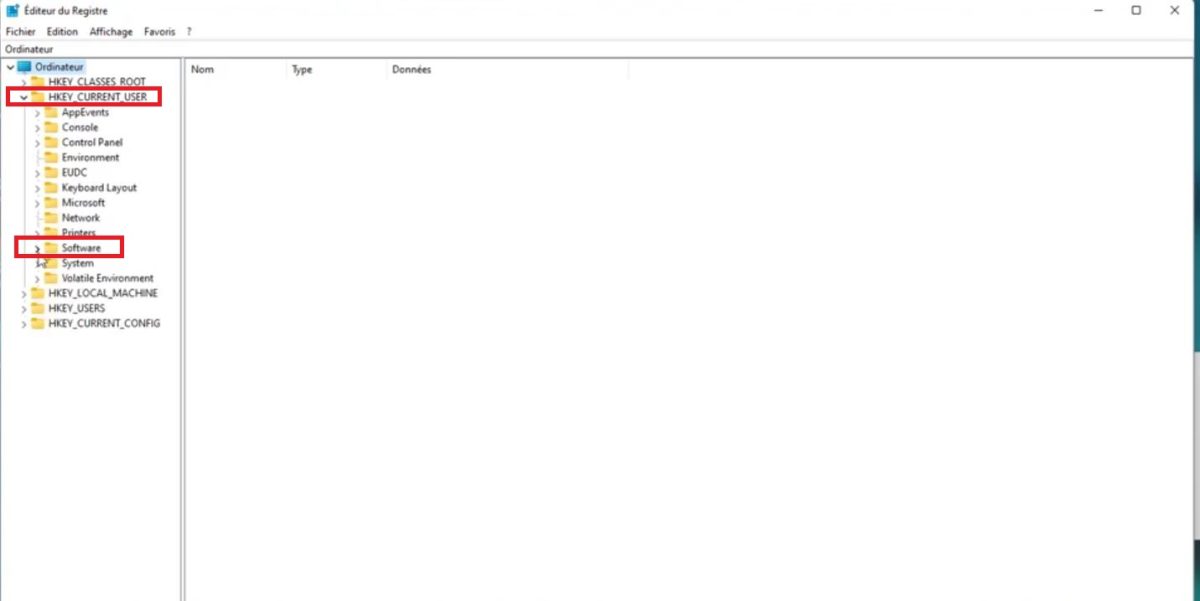
- In the address bar at the top, paste this exact path: HKEY_CURRENT_USER\Software\Microsoft\Windows\CurrentVersion\Explorer\Advanced in the search bar, then press Enter Entrance.
- Right-click on Advanced, selected New, then select 32-bit DWORD value.
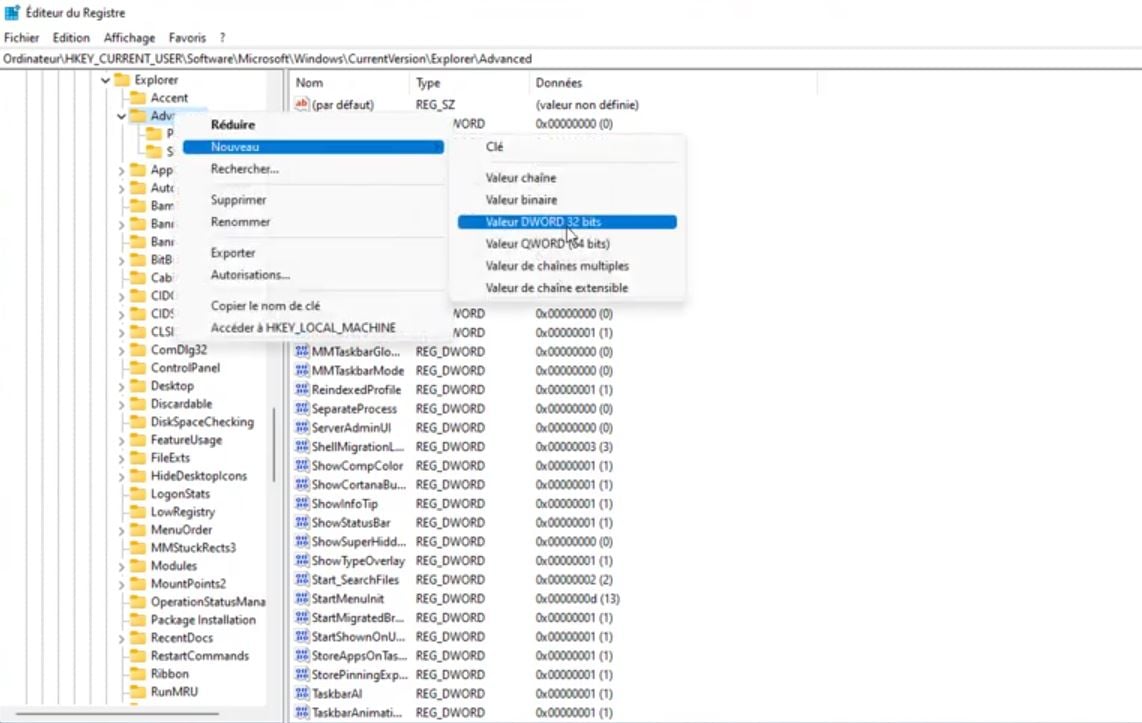
- Rename the new value to TaskbarSi. It doesn't exist by default: you have to create it manually.
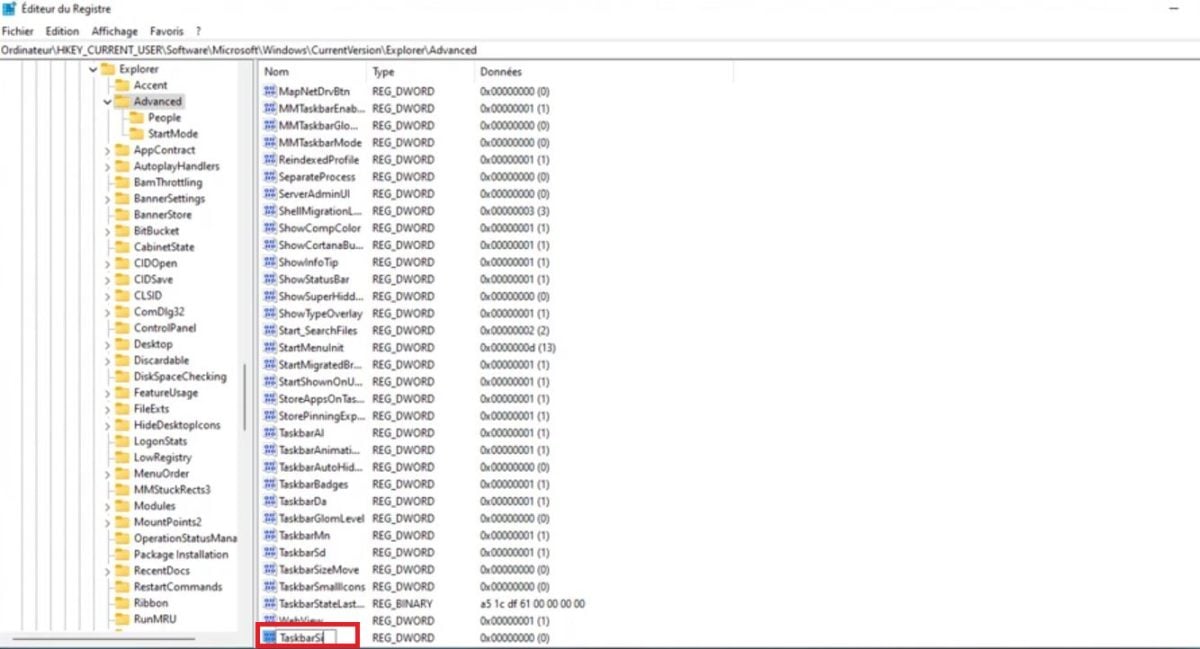
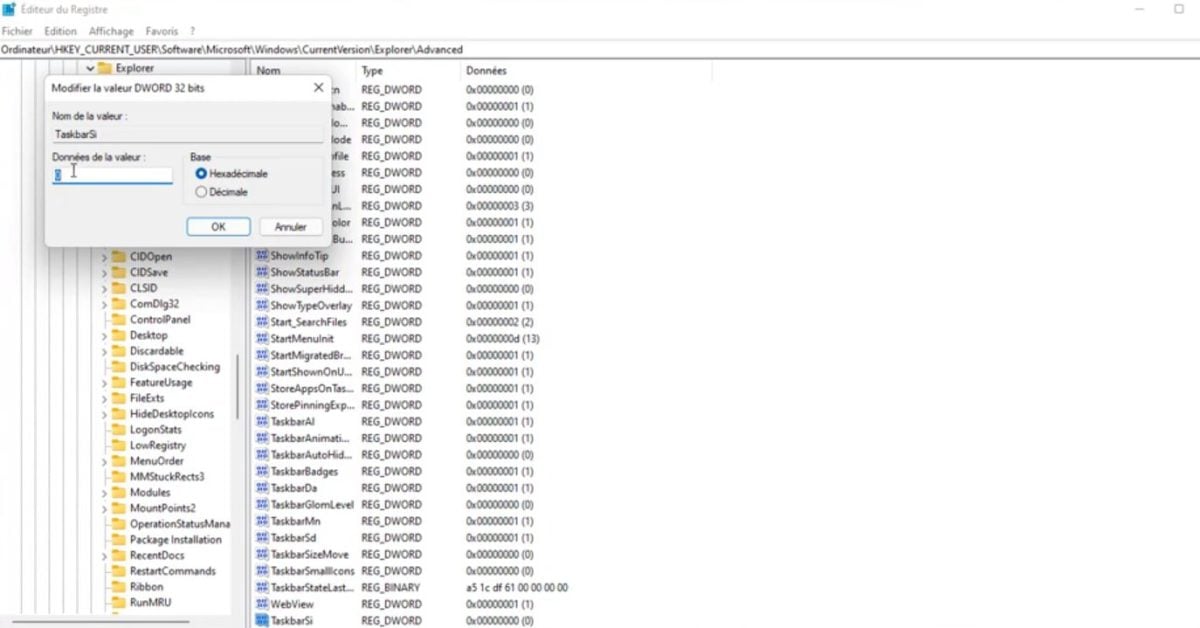
- Right-click on it, then Edit. So you can change the values.
The value you enter directly determines the bar height and the size of the icons displayed:
- 0 : small taskbar.
- 1 : default size (medium).
- 2 : large taskbar.
- Restart your computer to apply changes.
A word of advice : applies only to this exact key. The Registry Editor is sensitive, and changing other values may cause errors on your system.
This solution works on current versions of Microsoft Windows 11. If a future update changes this behavior, check that the key TaskbarSi is always recognized by the system.
Explanatory video in French by Alucare, ideal complement to the page. View video (you can use YouTube's automatic translation)







 English